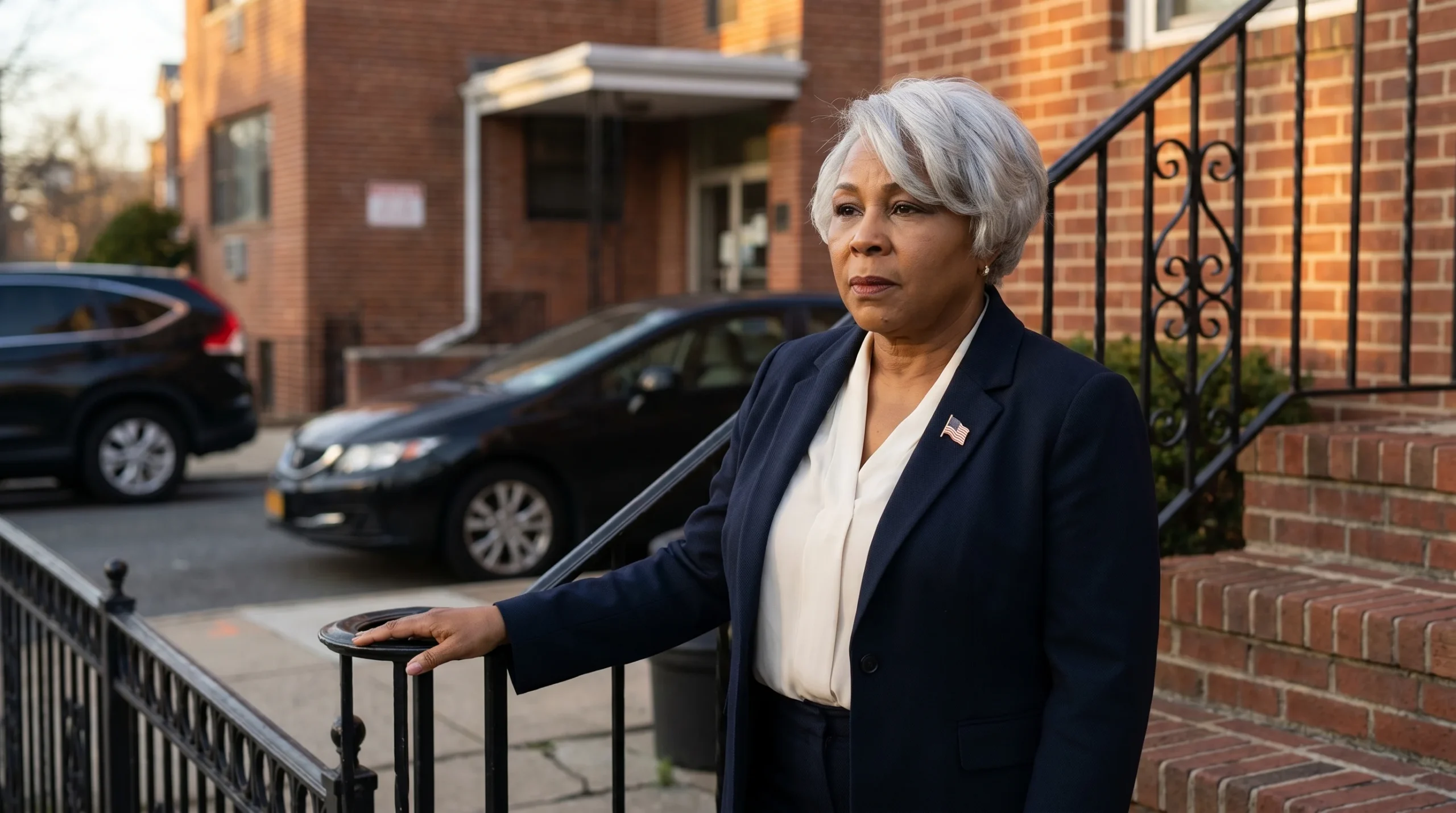
State Sen. L. Louise Lucas (D-Portsmouth) owns a marijuana store. This spring, as the Senate’s budget chair, she helped write the state budget that builds Virginia a retail-cannabis market — the one her store sells into.
She has never hidden it. Here she is in 2022:
Let's talk about pot. Yes, we legalized it and I even opened the Cannabis Outlet after we did! But the job isn't done. People are still in jail for something that is legal today. My SB518 would give them all a chance to be re-sentenced and get home with their families. pic.twitter.com/dZTIjFEv1m
— L. Louise Lucas (@SenLouiseLucas) January 26, 2022
If that arrangement bothers you, you’re in good company.
Two analysts at the conservative Thomas Jefferson Institute, Derrick Max and Stephen Haner, laid out the taxpayer case against the whole scheme on June 18. Their bottom line, in their own words:
That is why conservatives should reject the simplistic claim that cannabis legalization is cost-free freedom. The profits are privatized. The costs are socialized. The tax gains are mostly paid for by the poor.
Conservatives should be clear about the principle at stake. Free markets depend on personal responsibility, productive work, family stability, public safety, and the rule of law. A market is not truly free when private actors capture the profit while taxpayers and communities are left to absorb the fallout.
Further reading: “Weeding Through the True Cost of Building a Cannabis Market to Balance the Budget” — Jefferson Forum, June 18, 2026.
“Private actors capture the profit,” the authors write. In Richmond, one of those private actors helped write the rules.
Lucas is no bystander to this market. She is the Senate’s budget chair, a longtime champion of legalization, and the co-owner of a marijuana store in Portsmouth.
The FBI raided that store last year, while her cannabis bill sat on the governor’s desk.
This is not arm’s-length policymaking. It is a sitting legislator helping build an industry she stands to profit from.
She isn’t finished, either. Retail cannabis topped her list of New Year’s resolutions for 2026:
My New Years Resolutions:
— L. Louise Lucas (@SenLouiseLucas) January 1, 2026
* Retail Cannabis Markets
* Lowering costs for Virginians
* 10-1
The governor’s principles lasted about six weeks. Abigail Spanberger (D) vetoed retail cannabis on May 19.
By June, she had folded the same market into the budget she championed. Nothing about the product changed. What changed was the revenue she wanted from it.
Strip away the budget language and the warning is plain. A consumption tax on a product marketed hardest where money is tightest lands hardest there, too.
The revenue is the certain part. The rest — impaired driving, lost work, the families left to absorb it — is the cost the authors say gets quietly socialized while the profit stays private. Richmond is balancing a budget on the back of it.
Max and Haner put the choice in a single line. Lawmakers, they wrote, should focus on “keeping and attracting high technology, not on helping Virginians get high.”
Lucas owns the store. Lucas helped write the law. Spanberger vetoed the market, then bought it.
The profits stay private. The bill comes to you.
The first legal pot shops are slated to open in July 2027. Spanberger is term-limited — remember her in 2029. Lucas and every Democrat who built this market are on the ballot that November, a few months after the doors open.