This article originally appeared here, at politico.com
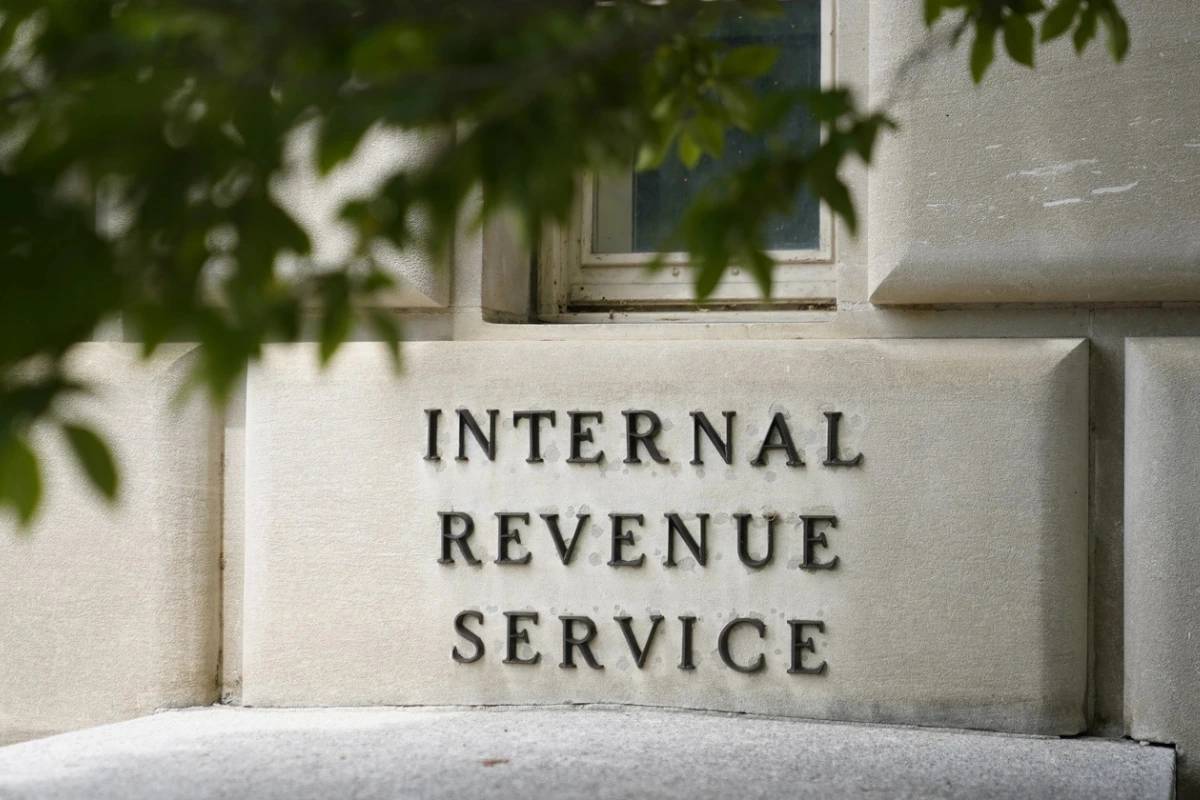
The IRS on Monday said that religious leaders could endorse political candidates in churches and other religious centers without losing their tax-exempt status, carving out an exemption from a decades-old tax code provision prohibiting nonprofits and churches from direct political engagement.
The decision came as part of a move by the agency aimed at settling a lawsuit brought by the National Religious Broadcasters association, an evangelical media group, and two Texas churches.
The religious groups sued the IRS in August 2024 to challenge a 1954 tax provision known as the Johnson Amendment, arguing that it infringed upon their First Amendment rights to freedom of speech and religion.
In a proposed consent judgment between the tax agency and religious groups, the parties suggest that discussions of politics “between the house of worship and its congregation, in connection with religious services” did not constitute participation or intervention in politics, as the Johnson Amendment prohibits. Rather, such communications were more akin to a “family discussion concerning candidates” and “do not run afoul of the Johnson Amendment as properly interpreted.”
The Johnson Amendment, introduced by then-Senate Majority Leader Lyndon B. Johnson in 1954, defines a tax-exempt church or other nonprofit as one “which does not participate in, or intervene in (including the publishing or distributing of statements), any political campaign on behalf of (or in opposition to) any candidate for public office.”
While the amendment has been in effect for decades, the IRS has not consistently enforced it. Monday’s filing argues that this “interpretation of the Johnson Amendment is in keeping with the IRS’s treatment of the Johnson Amendment in practice,” as it “has not enforced the Johnson Amendment against houses of worship for speech concerning electoral politics in the context of worship services.”
The IRS’ move, first reported by The New York Times, marks a major win for evangelical groups, which had long sought to get rid of the amendment in its entirety. President Donald Trump has promised since his first term that he would overturn the amendment, claiming in 2017 that he had “gotten rid of the Johnson Amendment” after signing an executive order that aimed to curtail the provision’s efficacy.
Under the new proposed carve-out, religious groups can now more freely engage more directly in politics, setting the groundwork for a possible influx of religious activity under a president who has long viewed the religious right as a bedrock of his political support. The proposal does not, however, appear to clear the way for religious organizations to spend money on more broad-based political activities like advertising campaigns.
Still, the move prompted immediate outcry from nonprofits and advocacy organizations, who warned that the move would lay the groundwork for operatives to use churches and other charitable organizations to achieve their political aims.
Diane Yentel, the president and CEO of the National Council of Nonprofits, bashed the filing as “deeply concerning” and warned that the action “is not about religion or free speech, but about radically altering campaign finance laws.”
“The decree could open the floodgates for political operatives to funnel money to their preferred candidates while receiving generous tax breaks at the expense of taxpayers who may not share those views,” she wrote in a statement.
Jeff Clements — the CEO of American Promise, a group promoting a constitutional amendment to limit political spending — said that the question of tax-exempt nonprofits’ engagement in politics should be tackled by Congress, rather than the IRS or the courts, and cautioned against “backdoor” changes to the Johnson Amendment.
“Whether tax-exempt nonprofits should endorse political candidates is a question for Congress — not the IRS or the courts,” Clements said in a statement to POLITICO. “The Johnson Amendment has been the law since 1954. If it’s going to change, it should be through open debate by elected lawmakers — not backdoor legal deals. Undermining it risks more dark money, less transparency, and even greater erosion of public trust in both our elections and our charities.”