Give the Trump administration its due. On Tuesday, it shut off federal Medicaid money for puberty blockers, cross-sex hormones and surgeries for children, under a rule that took effect Oct. 13. For new treatment, the federal match ended Oct. 13. The rule allows up to six months of federal funding for hormone therapy medications for children already receiving them. Virginia’s Medicaid program had been drawing on that match.
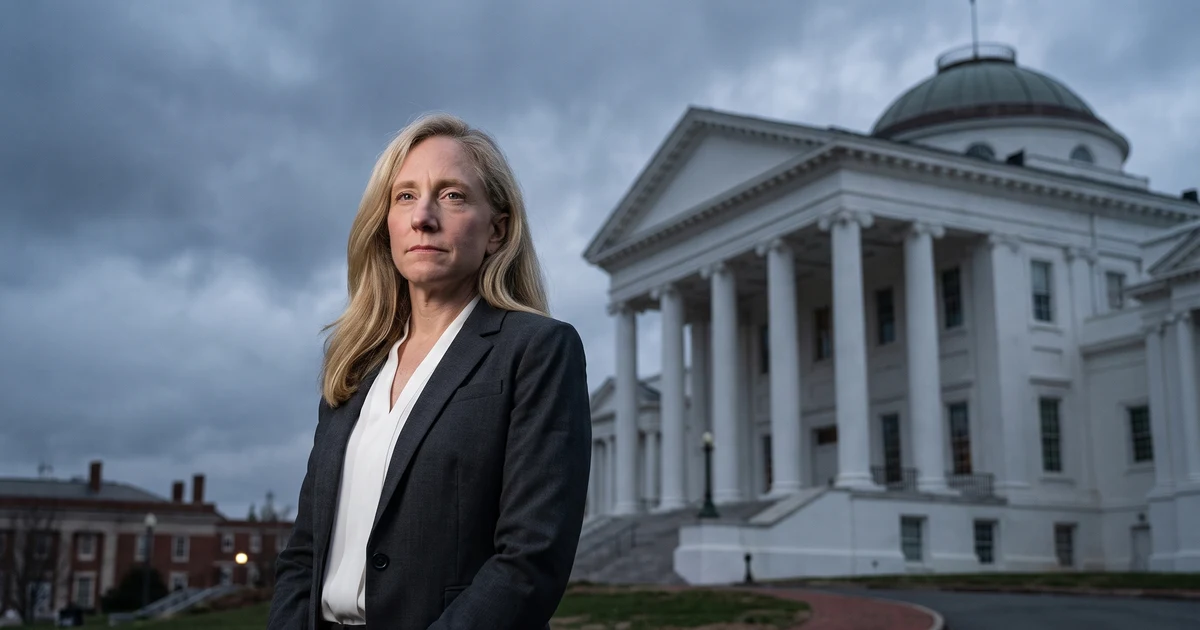
Gov. Abigail Spanberger (D) is not thanking anyone. On Friday she said the Trump administration is “targeting and using as pawns people who rely on Medicaid for their healthcare coverage, and in this case, children.” Then she said her office is “looking at every option available.”
In the Committee’s view, “every option” means one thing: Virginia tax dollars.
Medicaid is a shared bill. Washington matches what a state spends. The federal rule calls it the “Federal Government’s matching arrangement with States.” On Aug. 11, the Centers for Medicare & Medicaid Services finalized a rule that cuts off that match for what it calls “sex-rejecting procedures.” It covers Medicaid members under 18 and CHIP members under 19.
The rule carries out President Donald Trump’s January 2025 executive order, “Protecting Children from Chemical and Surgical Mutilation.” HHS Secretary Robert F. Kennedy Jr. said the federal government was ending “federal taxpayer funding for sex-rejecting procedures on children.”
The rule also tells every state Medicaid plan to say that “the Medicaid agency will not make payment under the plan” for these procedures for children. Virginia has moved the same direction. On Sept. 24, the Department of Medical Assistance Services told providers it “will no longer cover gender dysphoria services” for minors, “in accordance with a new federal final rule.” For youth already receiving related medications on Oct. 13, the bulletin says federal funding “will be available for a tapering-off period of up to six months.”
The rule does not stop a state from paying the whole bill itself. As the American Hospital Association summed it up, the rule “does not prevent states from providing coverage for these services with state-only funds.” CMS even expected some states “may choose to begin to pay with State funds the full cost.”
California has built a state-funded way to keep paying. Illinois has announced it will use state money through the end of its 2027 fiscal year. Spanberger “has not announced a similar plan,” The Advocate reported.
Her allies want her to. On Oct. 9, the ACLU of Virginia and Equality Virginia wrote to her Medicaid director. They urged him to rescind the notice and meet “to discuss a plan to preserve coverage with state-only funds.” Fairfax’s own Del. Laura Jane Cohen (D-HD-15) called the federal rule a “disaster” and said, “we’re going to try our best to make sure no Virginians lose their healthcare.”
Whether Virginia will spend its own money, Radio IQ reported, “remains to be seen.”
In the Committee’s view, here is the question the Governor has not answered. State-only money has no federal match. Every dollar comes out of Virginia’s own budget. In the Committee’s view, that is a dollar that would otherwise go to a school, a road, a sheriff’s deputy or a tax cut.
Democrats hold the Governor’s office and both chambers in Richmond. In the Committee’s view, that means the votes to put puberty blockers for minors on the state’s tab would come from her own side of the aisle. The question is whether she asks for them.
She says this is “not a question of whether or not our administration is making a choice to pull back funds.” True enough. Washington made that choice, and in the Committee’s view it made the right one. The choice left is hers: whether Virginians pay for these treatments with their own money.
Lawmakers return to Richmond for the 2027 session in January. Fairfax voters should get her answer before then, and then watch what she writes into the budget.